Tips for Creating a Productive Home Office Environment

Creating a productive home office environment is essential for anyone working from home or managing personal projects. A well-designed space can help maintain focus, reduce distractions, and increase comfort throughout the workday. Whether you have a dedicated room or a small corner in your living space, these tips will guide you in setting up an effective home office that supports your productivity and well-being.
Choose the Right Location
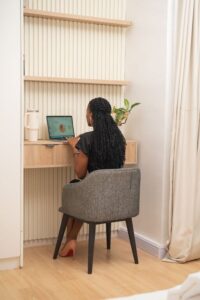
Finding the optimal spot for your home office is the first step. Ideally, your workspace should be in a quiet area with minimal foot traffic to avoid interruptions. If possible, select a room with a door that you can close during work hours. This separation helps establish mental boundaries between work and personal life.
Natural light is also important—position your desk near a window to take advantage of daylight, which can improve mood and energy levels. If natural light is limited, invest in good quality lamps with adjustable brightness.
Invest in Ergonomic Furniture
Comfort plays a big role in maintaining productivity. Spend time selecting ergonomic furniture that supports your posture and prevents discomfort.
– Desk: Choose a desk size that fits your equipment without clutter. Height-adjustable desks are great for alternating between sitting and standing.
– Chair: Look for an ergonomic chair with adjustable height, lumbar support, and armrests.
– Accessories: Use a keyboard tray, monitor stands, or footrests to keep your body aligned and reduce strain.
Organize Your Space Wisely
A clutter-free space encourages a clear mind. Here are some organization tips:
– Storage: Use shelves, drawers, and filing cabinets to keep documents and supplies organized.
– Cable management: Use clips, ties, or sleeves to avoid tangled cords.
– Minimalism: Keep only essential items on your desk to maintain a clean work surface.
Create a Daily Routine
Establishing a consistent routine helps reinforce productivity habits.
– Set work hours: Define clear start and finish times to create structure.
– Breaks: Schedule short breaks every hour to stretch and refresh.
– Commute ritual: Consider a simple “commute” activity like a walk or coffee to signal the start of your workday.
Minimize Distractions
Home environments can be full of distractions. Take these steps to minimize them:
– Noise control: Use noise-canceling headphones or play ambient music.
– Notifications: Turn off non-essential notifications on your devices.
– Boundaries: Communicate your work hours and space rules to family or roommates.
Personalize Your Workspace
Adding personal touches to your home office can make it a pleasant place to spend time.
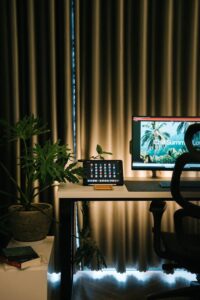
– Plants: Indoor plants improve air quality and reduce stress.
– Artwork: Decorate with inspiring images or meaningful items.
– Comfort items: Use cushions, blankets, or a cozy rug to enhance comfort.
Incorporate Technology Wisely
Technology helps with efficiency but can also cause distractions if not managed well.
– Use reliable internet and backup options.
– Keep software and devices up to date.
– Employ productivity tools like calendars, task managers, or focus timers.
Prioritize Wellness
Lastly, remember to take care of your physical and mental health while working from home.
– Maintain good posture and take breaks to move around.
– Stay hydrated and have healthy snacks nearby.
– Practice mindfulness or breathing exercises to reduce stress.
—
By following these tips, you can create a home office environment that supports your productivity and well-being. Small changes can make a big difference in how effectively you work and how comfortable you feel throughout your day. Happy working!