Tips for Creating a Comfortable and Productive Home Office Space
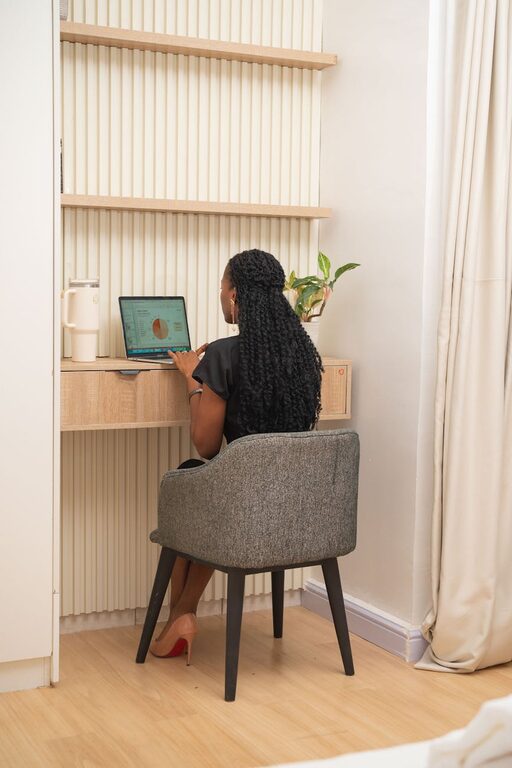
Creating a home office that is both comfortable and productive can transform your work-from-home experience. With the right setup, you can stay focused, reduce stress, and enhance your efficiency throughout the day. This guide offers practical tips to help you design a workspace that suits your needs and encourages productivity.
Choose the Right Location
Selecting the ideal spot for your home office is the first step. Consider a quiet area with minimal distractions, where you can concentrate without interruptions.
– Natural Light: Position your desk near a window to benefit from natural daylight, which can improve mood and energy levels.
– Away from Noise: Avoid high-traffic areas like living rooms or kitchens to minimize background noise.
– Space for Movement: Ensure there is enough room to move freely and add any necessary furniture or equipment.
Invest in Ergonomic Furniture
Comfort plays a key role in productivity. Ergonomic furniture supports good posture and reduces fatigue.
– Ergonomic Chair: Choose a chair with adjustable height, lumbar support, and comfortable cushioning.
– Proper Desk Height: Your desk should allow your arms to rest at a 90-degree angle while typing.
– Footrest: If your feet don’t comfortably touch the floor, consider a footrest to maintain proper posture.
Organize Your Workspace
A tidy workspace helps minimize distractions and keeps you focused.
– Declutter Regularly: Remove unnecessary items from your desk to create a clean environment.
– Use Storage Solutions: Utilize drawers, shelves, or filing cabinets to organize documents and supplies.
– Cable Management: Use clips or sleeves to keep cords untangled and out of the way.
Optimize Lighting
Good lighting reduces eye strain and enhances concentration.
– Combine Natural and Artificial Light: Use overhead lights along with task lamps to illuminate your work area effectively.
– Adjust Screen Brightness: Ensure your monitor brightness is comfortable; avoid glare from windows.
– Use Warm Light for Relaxation: In the evenings, switch to warmer light tones to create a calming atmosphere.
Personalize Your Space
Adding personal touches can make your home office more inviting and motivating.
– Add Plants: Indoor plants improve air quality and add a touch of nature.
– Display Inspiring Items: Include photos, artwork, or quotes that encourage positivity.
– Choose Soothing Colors: Paint or decorate with colors that help you feel calm and focused.
Incorporate Technology Efficiently
Use technology to streamline your workflow without causing clutter.
– Reliable Internet Connection: Ensure your Wi-Fi is strong to avoid interruptions during work.
– Quality Equipment: Invest in a good computer, ergonomic keyboard, and mouse.
– Use Productivity Tools: Apps for time management and task organization can enhance efficiency.
Establish Boundaries
Separating work from personal life is vital when working from home.
– Set Working Hours: Define clear start and end times for your workday.
– Create a Transition Routine: Develop habits to switch on and off work mode, like a short walk or changing clothes.
– Limit Interruptions: Inform family members of your work schedule to reduce disturbances.
Maintain Good Air Quality and Temperature
Comfort extends beyond furniture to the environment.
– Ventilation: Keep windows open or use air purifiers to maintain fresh air.
– Temperature Control: Use fans, heaters, or air conditioning to keep your workspace at a comfortable temperature.
– Avoid Overheating: Overheated rooms can reduce concentration and cause discomfort.
Take Breaks and Move Regularly
Sitting for long periods can be harmful to both health and productivity.
– Follow the 20-20-20 Rule: Every 20 minutes, look at something 20 feet away for 20 seconds to reduce eye strain.
– Stand and Stretch: Incorporate standing breaks or light stretches to relieve muscle tension.
– Use a Standing Desk: Consider alternating between sitting and standing to improve circulation.
Conclusion
Designing a comfortable and productive home office involves thoughtful planning and a few key adjustments. By choosing the right location, investing in ergonomic furniture, organizing your space, and managing lighting and technology efficiently, you create an environment optimized for focus and well-being. Remember to personalize your office and establish clear boundaries to maintain a healthy work-life balance. With these tips, your home office can become a space where you enjoy working every day.