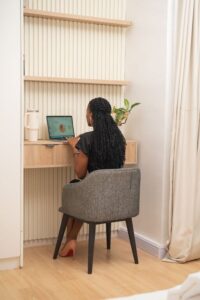
Tips for Creating a Productive Home Office Space
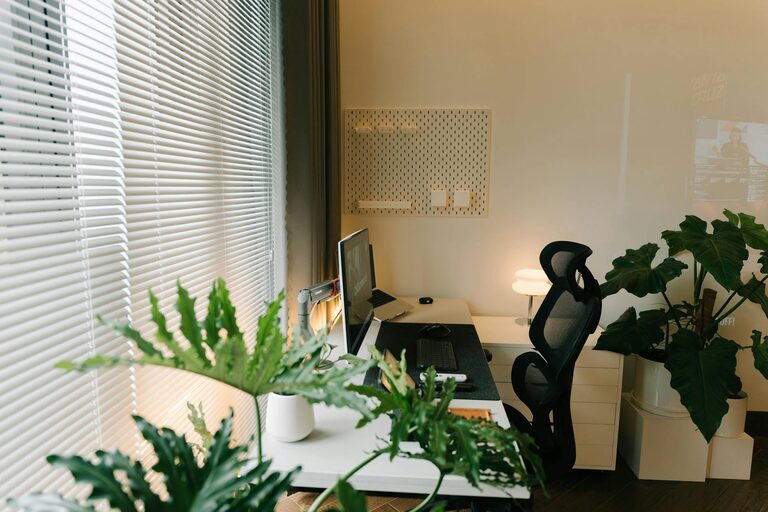
Creating a productive home office space is essential for anyone working from home. A well-designed and organized workspace can help improve focus, reduce distractions, and enhance overall work satisfaction. Whether you have a dedicated room or a small corner in your living space, thoughtful planning can transform it into an efficient and comfortable environment. Here are some helpful tips to get started.
Choose the Right Location
Where you set up your home office makes a big difference. Ideally, pick a quiet area away from the busiest parts of your home. Here are some factors to consider:
– Natural light: Try to position your desk near a window to take advantage of daylight. Natural light can boost mood and reduce eye strain.
– Minimal distractions: Avoid places near the TV, kitchen, or high-traffic zones.
– Space: Make sure there is enough room for your desk, chair, and any necessary equipment without feeling cramped.
Invest in Ergonomic Furniture
Comfort is key when spending hours at your desk. Ergonomic furniture helps reduce strain and keeps you healthy over time.
– Chair: Choose an adjustable chair that supports your lower back and encourages good posture.
– Desk: Select a desk at a comfortable height. If possible, consider a sit-stand desk to alternate positions during the day.
– Accessories: Ergonomic keyboards, mouse devices, and monitor stands can enhance comfort and productivity.
Organize Your Workspace
An uncluttered desk helps maintain focus and efficiency. Use practical storage solutions to keep things tidy.
– Use shelves, filing cabinets, or storage bins to organize documents and supplies.
– Keep only essential items on your desk to avoid distractions.
– Label storage containers for easy retrieval.
Optimize Lighting
Adequate lighting reduces eye fatigue and improves work quality.
– Combine natural light with adjustable artificial lighting. Desk lamps with adjustable brightness are useful.
– Avoid glare on your computer screen by positioning your light sources carefully.
– Consider warmer light tones for a cozy atmosphere and cooler tones for tasks requiring focus.
Personalize Your Space
Adding personal touches can make your office feel inviting and motivating.
– Decorate your walls with artwork, posters, or plants.
– Use colors that inspire you, such as calming blues or energizing yellows.
– Keep a few meaningful items nearby, like family photos or motivational quotes.
Minimize Noise Distractions
Background noise can disrupt your concentration. Here are ways to keep sound levels low:
– Use noise-cancelling headphones or play soft instrumental music.
– Add rugs, curtains, or cushions to absorb sound.
– If possible, inform household members of your working hours to minimize interruptions.
Establish a Daily Routine
A dedicated workspace is only as productive as your habits.
– Set regular work hours and stick to them.
– Take breaks away from your desk to recharge.
– Use time management techniques like the Pomodoro method to stay focused.
Keep Technology Updated and Organized
Your tech setup affects your efficiency.
– Ensure your computer, internet connection, and software are reliable.
– Manage cables with clips or sleeves to avoid tangling.
– Keep chargers, external drives, and other accessories within easy reach.
Create Zones if Possible
If your space allows, designate different areas for different tasks.
– A main work desk for focused tasks.
– An area for reading or brainstorming equipped with comfortable seating.
– A separate space for meetings or calls, if needed.
Final Thoughts
Designing a productive home office space takes some effort but pays off by making your workday smoother and more enjoyable. By choosing the right location, investing in ergonomic furniture, organizing thoughtfully, and fostering a positive atmosphere, you create an environment that supports both your professional and personal well-being. Remember, your workspace should reflect your preferences and needs, so feel free to adjust these tips to suit your unique situation. Happy working!